
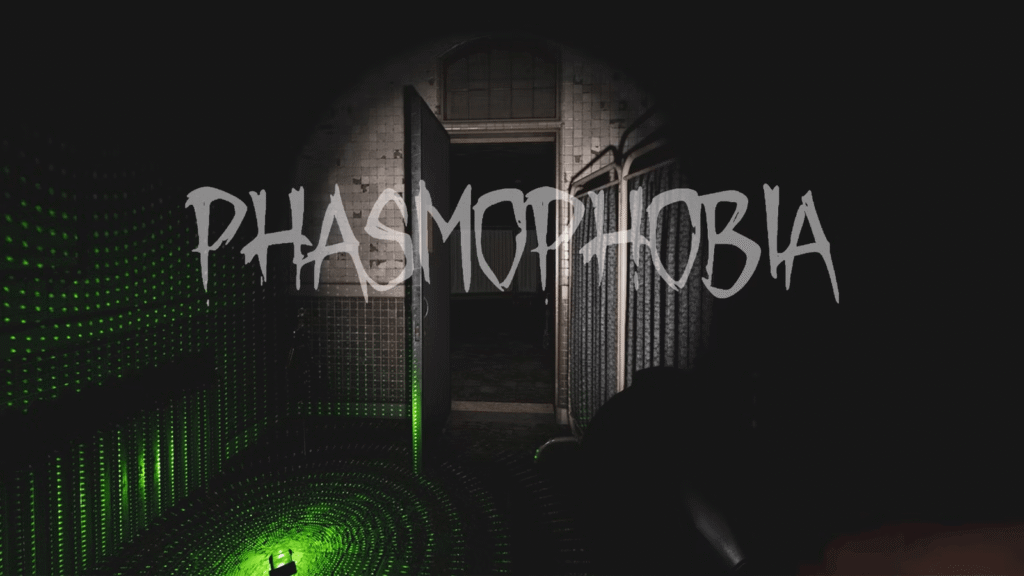
When Phasmophobia first appeared on Steam Early Access in 2020, it seemed like a small indie horror experiment. But within weeks, it turned into one of the most talked-about games online. Streamers were screaming, friends were laughing nervously, and players around the world discovered something rare — a horror game that was genuinely terrifying and endlessly fun to play with others.
Developed by Kinetic Games, Phasmophobia offers a unique take on paranormal investigation. It doesn’t rely on jump scares or gory monsters. Instead, it builds fear slowly — through sound, darkness, and atmosphere. It’s the type of game that makes you whisper into your mic, check every corner twice, and question if that creak you just heard was the wind… or something else entirely.
Let’s dive into why Phasmophobia continues to dominate the horror genre, what makes it stand out, and how it keeps evolving years after its release.
What Is Phasmophobia?
A Ghost‑Hunting Simulator Like No Other
At its core, Phasmophobia is a cooperative horror investigation game where 1–4 players take on the roles of ghost hunters exploring haunted locations. Your mission? Identify what kind of spirit haunts the area — before it kills you.
Armed with equipment like EMF readers, thermometers, UV flashlights, and spirit boxes, players gather clues about ghost activity. Each ghost behaves differently: some prefer the dark, others react to voice commands, and a few get aggressive when provoked.
The key is teamwork and communication. You need to divide tasks, analyze evidence, and stay calm when things get creepy. The twist? The game uses voice recognition, meaning the ghost actually “hears” what you say. If you shout its name, it might just come looking for you.
Realistic Fear and Unscripted Chaos
Unlike most horror games, Phasmophobia doesn’t rely on scripted events. The ghost’s behavior changes every round, making each hunt unpredictable. Sometimes it flickers lights and plays with doors; other times, it manifests silently behind you or whispers your name through your headset.
That randomness keeps tension high. You never know when it’s safe, and even veteran players can get caught off guard. The sound design plays a massive role too — creaking floors, distant footsteps, and subtle whispers combine to create a sense of presence that feels disturbingly real.
The Core Gameplay Loop
From Setup to Panic
Each game starts calmly. You arrive in a van outside the haunted location, load up your gear, and plan your strategy. It feels like a professional investigation — until you step inside.
You start scanning rooms for cold spots, ghost orbs, or fingerprints, jotting notes in your journal. At first, it’s quiet. You and your teammates chat nervously, debating where to start. Then, lights flicker. Someone hears breathing. The EMF reader spikes. And just like that, the atmosphere shifts from curious exploration to pure dread.
When the ghost decides to hunt, the calm turns to chaos. Flashlights flicker, doors lock, and players scramble for hiding spots. You hear someone scream through the radio, then static — meaning they didn’t make it. Moments like these are what Phasmophobia nails perfectly: that heart-pounding fear of being alone, helpless, and hunted.
Teamwork and Communication Are Everything
The best part of Phasmophobia is how it relies on real player communication. You’re constantly coordinating:
“I’m getting freezing temps in the basement!”
“Lights just went out upstairs!”
“Don’t say its name — it’s hunting!”
When communication breaks down, chaos takes over. The tension of trying to stay quiet while your teammates whisper nervously nearby creates moments that feel straight out of a horror movie. It’s not just scary — it’s social horror at its finest.
Ghost Types and Clues
A Paranormal Puzzle
There are over 20 ghost types in Phasmophobia, each with distinct behaviors and clues. Players must collect three types of evidence to determine which ghost they’re dealing with.
For example:
- Spirit Box responses might indicate a Spirit or Mare.
- Fingerprints could point toward a Banshee.
- Ghost Orbs often signal a Yokai or Revenant.
But here’s the catch: the ghost can lie, fake evidence, or behave inconsistently. You have to cross-check everything carefully. Sometimes the right answer only clicks after a close call or two.
Risk vs Reward
The more time you spend in the haunted area, the more aggressive the ghost becomes. You can play it safe and gather minimal evidence for small rewards, or push deeper for full identification and bonus cash.
That tension between safety and curiosity keeps every match exciting. Do you risk your life for one more clue? Or get out while you can? Every decision feels meaningful because the stakes are real — when you die, you lose your expensive gear.
The Horror of Immersion
Why It Works So Well
Phasmophobia isn’t about scripted scares — it’s about anticipation. The fear builds in your mind before anything happens. The combination of minimal music, dynamic lighting, and environmental audio creates a realism that makes every encounter hit harder.
There’s also the psychological angle. You start imagining things, mistaking your teammate’s footsteps for ghost activity, or second-guessing your own sanity. The best horror doesn’t have to show the monster — it makes you fear what might be there.
VR Mode: Terrifying in the Best Way
If playing Phasmophobia on PC is tense, playing it in virtual reality is an entirely different beast. You physically open doors, hold tools, and turn your head toward sounds. Every creak, whisper, and breath feels closer than it should be.
Many players describe VR mode as the most terrifying gaming experience they’ve ever had — not because of gore, but because of presence. When you can physically “feel” the haunted space around you, your brain stops distinguishing the game from reality.
Continuous Updates and Community Support
How Kinetic Games Keeps It Fresh
Despite starting as a small indie project, Phasmophobia has grown steadily thanks to consistent updates and community engagement. Developers have added new maps, ghost types, mechanics, and even weather effects that alter gameplay dynamics.
Seasonal events, like Halloween updates, introduce limited-time modes and visual overhauls that keep the game exciting for returning players. The dev team listens closely to player feedback, often tweaking difficulty, adding voice commands, and fixing bugs based on community input.
The Role of Streamers and Content Creators
Phasmophobia owes much of its early success to streamers and YouTubers. Watching someone else panic as they try to identify a ghost became viral entertainment. The game’s unpredictable nature makes every session unique, creating endless meme-worthy moments.
Even now, popular creators continue to revisit the game, especially during updates or spooky seasons. This constant visibility helps new players discover the thrill of ghost hunting for themselves.
Why Phasmophobia Stands Out Among Horror Games
Real Fear, Real Fun
Unlike scripted horror titles, Phasmophobia gives players control over their own fear. It doesn’t rely on cheap tricks — it makes you the cause of your own anxiety. Every decision, from speaking the ghost’s name to entering a dark hallway alone, has consequences.
The social element also makes it special. Laughing nervously with friends after a terrifying encounter makes the fear bearable — and memorable. It’s that mix of shared horror and humor that keeps people coming back.
A Game That Evolves With You
No two sessions ever feel the same. As you learn the mechanics and ghost behaviors, your playstyle changes. Early on, you panic at every flickering light. Later, you’re calmly setting up cameras and provoking ghosts for data. The game rewards knowledge, not just bravery.
It’s this evolving experience that gives Phasmophobia incredible replay value. Each ghost hunt feels like a new story waiting to unfold.