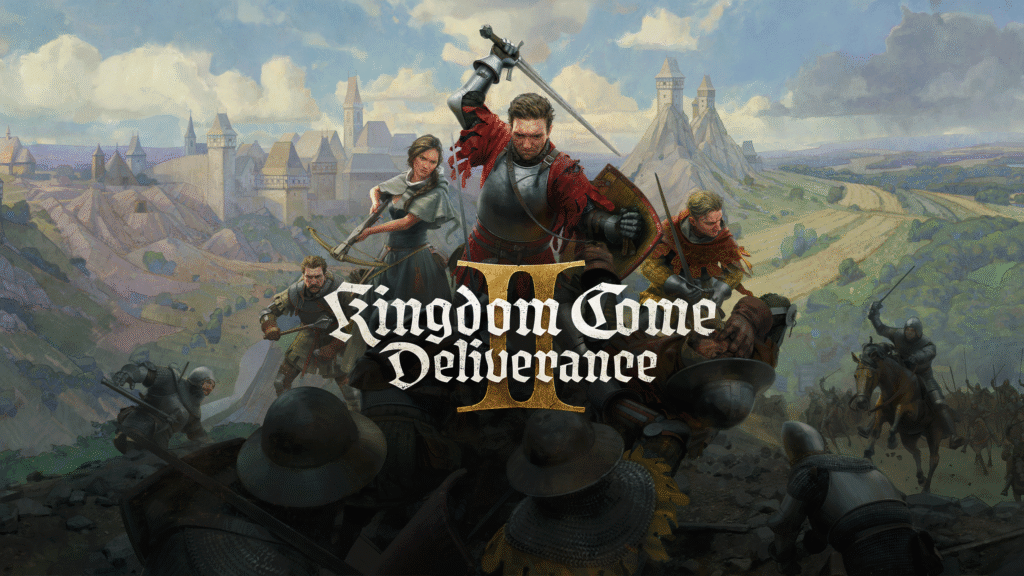
When Kingdom Come: Deliverance launched in 2018, it was a revelation for RPG fans. While most medieval games leaned into fantasy and myth, Warhorse Studios dared to strip away dragons and magic, grounding players in the brutal authenticity of 15th‑century Europe. Now, after years of anticipation, the studio is back with Kingdom Come: Deliverance II, a sequel that promises to refine everything that made the first game special—while raising the stakes for story, combat, and immersion.
If the original was a rough, ambitious diamond, this sequel looks ready to shine like a forged blade. Let’s dive into everything we know, what fans can expect, and why this could be one of the most important RPGs of the decade.
A Sequel Years in the Making
Warhorse Studios Returns
It’s been over six years since the first Kingdom Come arrived, but fans never stopped talking about it. The game built a passionate community of players who loved its realism, challenging mechanics, and historical depth. Developed by Warhorse Studios—now under THQ Nordic—the sequel has been quietly in development for years, and in 2024, it was officially unveiled to thunderous applause.
Unlike the first game, which was a bit of an underdog success story, Kingdom Come: Deliverance II comes with far higher expectations—and, judging by early previews, it’s ready to meet them.
Expanding the Vision
The original Deliverance focused on a relatively small slice of Bohemia, telling a deeply personal revenge story. The sequel expands that world significantly, both in size and ambition. With new regions, better AI, richer combat systems, and an enhanced dialogue engine, Warhorse aims to deliver the most authentic medieval role-playing experience ever made.
The Story So Far
Picking Up Right Where It Left Off
Kingdom Come: Deliverance II continues Henry’s journey shortly after the events of the first game. Having gone from blacksmith’s son to squire and soldier, Henry now finds himself caught in the bloody civil war tearing Bohemia apart.
At its heart, the sequel remains a story of revenge, faith, and personal growth—but this time, the stakes are higher. Henry is no longer a naïve villager; he’s a man hardened by loss, duty, and experience.
The developers have described the story as more emotional and cinematic, with branching paths that react to your decisions. Expect deep moral dilemmas, long-term consequences, and plenty of gray areas.
New Faces, Old Friends
Familiar faces like Sir Radzig Kobyla are expected to return, but the new game also introduces several fresh characters—from noble allies to cunning enemies. There’s also a new female lead, rumored to play a key narrative role, perhaps as both a companion and moral counterweight to Henry’s growing ambition.
Setting: From Bohemia to Beyond
Two Major Regions
Warhorse confirmed that the sequel takes place across two massive open-world regions—each larger and more detailed than anything in the first game. One is a lush countryside filled with villages, forests, and monasteries; the other, a sprawling royal city bustling with trade, politics, and intrigue.
The world reportedly includes over five hours of fully voiced cinematic cutscenes, but it’s still designed for exploration and freedom. Whether you’re sneaking through bandit camps, visiting taverns, or riding into battle, the world feels alive in a way few games can match.
Historical Accuracy Meets Cinematic Drama
Once again, the focus is on authenticity. Warhorse has always prided itself on historical realism—armor crafted from real museum references, weapons behaving as they would in life, and dialogue inspired by period texts.
But this time, the presentation is far more cinematic. The developers have overhauled the cutscene system, improved motion capture, and added full facial performance capture, making conversations and storytelling more immersive than ever.
Gameplay Evolution
Combat Gets an Overhaul
If there was one element from the first game that divided players, it was combat. Some loved its realism and depth; others found it clunky or overly punishing. Warhorse has heard the feedback.
In Kingdom Come: Deliverance II, sword fighting has been completely redesigned to feel more fluid while still keeping its historical authenticity. Expect better hit detection, smoother directional attacks, and a refined stamina and blocking system.
There’s also a greater emphasis on mounted combat—you can now fight effectively from horseback, adding new strategy to open battles.
And yes, ranged weapons are back too. Longbows, crossbows, and even early firearms will play bigger roles this time, reflecting the technological shift of the late medieval era.
Freedom of Choice
Like before, you can choose how to approach each challenge—through diplomacy, stealth, or brute force. But Deliverance II gives you even more ways to influence outcomes.
Henry’s speech skill, appearance, and reputation continue to matter, but now emotions and relationships play a greater role. NPCs will remember your choices and react dynamically to your actions, creating a world that feels genuinely responsive.
A Living, Breathing World
The first Deliverance was already impressive in its realism, but its sequel goes further. Villagers follow detailed daily routines, animals behave naturally, and weather and time of day affect everything from combat to visibility.
If you attack a village, expect news to spread. If you neglect your armor or hygiene, people will treat you differently. It’s all part of the game’s commitment to immersion—where small details build up to a living medieval ecosystem.
Visual and Technical Upgrades
Powered by Unreal Engine 5
One of the biggest leaps forward is visual fidelity. Kingdom Come: Deliverance II is being built on Unreal Engine 5, which means far more realistic lighting, detailed landscapes, and expressive characters.
From misty valleys at dawn to candlelit castles at night, the new lighting system gives the game a painterly beauty that captures both grandeur and grime.
Cloth physics, facial animations, and even sword reflections have been upgraded, ensuring every scene feels cinematic. And unlike the first game’s somewhat demanding performance, the sequel is being optimized for modern consoles and PCs, promising smoother gameplay.
Enhanced Audio Design
Sound design has also received major attention. Warhorse worked with historical musicologists to recreate period-accurate songs and instruments. The sound of armor clanking, the creak of a bowstring, or the distant roar of a battle now carries a more immersive, emotional weight.
Voice acting, too, has been expanded—with fully voiced dialogue for every major character, performed by professional actors. The result is a world that sounds as authentic as it looks.
Moral Complexity and Player Impact
More Than Just Right or Wrong
One of the defining aspects of Kingdom Come: Deliverance was its moral ambiguity. Choices were rarely clear-cut, and doing the “right” thing didn’t always guarantee a happy ending.
That philosophy continues—and deepens—in the sequel. The developers emphasize that your decisions will have far-reaching consequences, sometimes surfacing hours later in unexpected ways.
Want to help a struggling peasant at the risk of angering a noble? Or execute revenge at the cost of your conscience? These decisions shape both Henry’s story and the world around him.
A More Human Hero
Henry’s evolution remains central to the experience. He’s still learning, still imperfect, and still trying to reconcile duty with morality. But this time, he’s more confident and battle-tested, making his internal conflicts even more compelling.
Release and Expectations
When and Where You Can Play
Kingdom Come: Deliverance II is expected to launch in 2025 for PlayStation 5, Xbox Series X/S, and PC. While no firm release date has been announced yet, early previews and developer interviews suggest it’s deep into development.
Warhorse has also hinted that post-launch content is planned—potentially new story chapters or free updates focused on realism and world expansion.
Why It Matters
This sequel isn’t just another historical RPG—it’s a continuation of one of gaming’s most ambitious visions. It reminds us that realism can be just as exciting as fantasy, that history can feel alive, and that storytelling doesn’t need dragons to be epic.
If Kingdom Come: Deliverance II delivers on its promise, it won’t just be another RPG success—it could redefine what “realistic” gaming truly means.